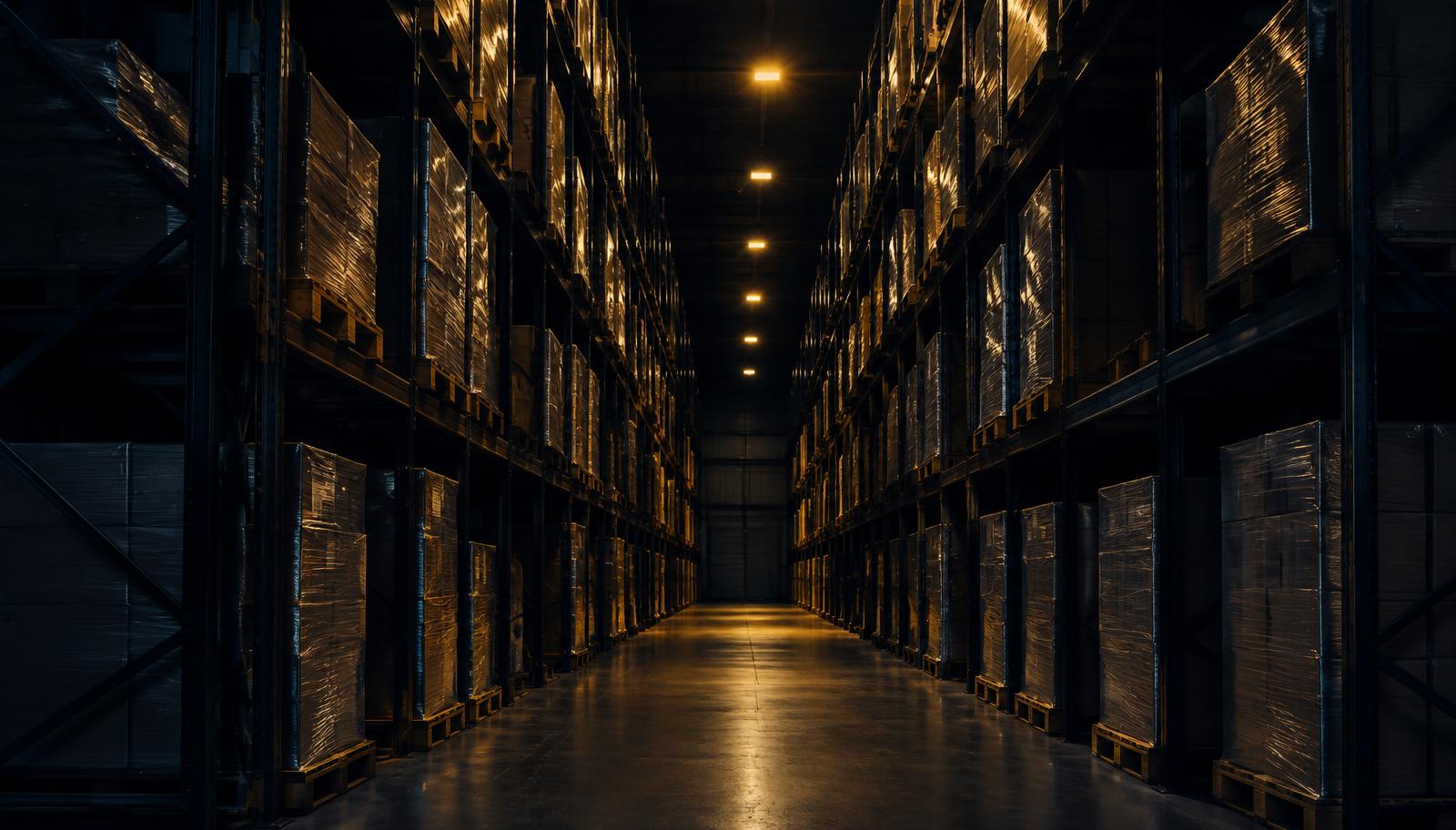
Supply chains were optimised for cost for thirty years. Disruption made resilience a funded requirement. What that changes about which logistics ventures get bought.
For thirty years supply chain management had one objective function: cost. Inventory was waste, buffers were inefficiency, and a single low-cost source beat two expensive ones. The discipline got extremely good at it.
Then a sequence of disruptions demonstrated what the optimisation had removed — the ability to absorb anything going wrong. The response has been a genuine shift in what companies are willing to fund.
What changed in the buying
Three things moved from "nice to have" to budgeted:
Visibility beyond tier one. Companies discovered they knew their direct suppliers and nothing about the suppliers underneath. When a disruption hit tier three, they could not answer basic questions about their own exposure for weeks.
Inventory as insurance. Buffers that would have been criticised as working-capital inefficiency are now defensible as risk management. That is a real reversal in how these decisions are argued internally.
Dual sourcing and geographic spread. More expensive by construction, now justifiable.
Each represents budget that did not exist before, which is why this sector became investable in a way it had not been.
The part that is less durable than it looks
Two cautions worth holding.
Cost pressure reasserts itself. Resilience is easiest to fund in the year after a disruption. Two quiet years later, a CFO asks why the company carries inventory it has not needed. Ventures whose value proposition is purely insurance face a buyer whose willingness to pay decays with time since the last incident.
Visibility is not the same as action. A great deal of money has gone into knowing about problems. Considerably less has gone into doing anything with the knowledge. Dashboards that report a disruption a company cannot respond to get renewed once and then questioned.
The more durable products do something with the signal — reroute, re-source, reallocate — rather than report it well.
Where regulation now pushes
The shift is not only commercial. Requirements increasingly demand traceability for their own reasons: forced-labour rules requiring provenance of inputs, component-origin requirements in defense and critical technology, product-level environmental and material disclosure.
That matters because regulatory drivers do not decay when memory of a disruption fades. A compliance requirement has a date and a penalty. That is a more reliable basis for a business than a buyer's current anxiety.
Ventures that serve both — the operational case and the compliance case — have revenue that survives the cycle.
Diligence questions
Is the customer buying insurance, capability, or compliance?
What happens to renewals if there is no disruption for two years?
Does the product tell the customer something, or do something?
How deep into the supply chain does it actually see, and how is that data obtained?
That last one is worth pressing hard. Tier-one visibility is largely solved. Genuine multi-tier visibility is difficult, because it depends on suppliers disclosing their own suppliers — a commercial problem, not a technical one. Claims here are frequently thinner than they sound.
The read
The resilience thesis is real and the budget is real. The question for any specific company is whether it is selling against memory of the last disruption or against a requirement that will still exist in three years.
The first is a window. The second is a market.
In person
Come see the Alliance in person
Members meet at our summits, fireside chats and coffee chats — smaller rooms than the name suggests, and the conversations are the point. Founders can also enter our next pitch session.
Tell us what interests you and we will send details on the next one.
Summit calendarFireside chatsPitch sessionsThe Alliance Dispatch